In every neighbourhood, differences of opinion, misunderstandings, and disputes are bound to arise. Whether it’s a disagreement over property lines, noise complaints, or tensions between neighbours from different cultural backgrounds, conflict is a natural part of community life. What truly matters is how we handle it.
Community mediation offers a constructive, respectful, and cost-effective way to resolve disputes without resorting to legal battles or escalating tensions. It empowers individuals to find mutually acceptable solutions, fosters understanding, and strengthens the fabric of our communities.
What Is Community Mediation?
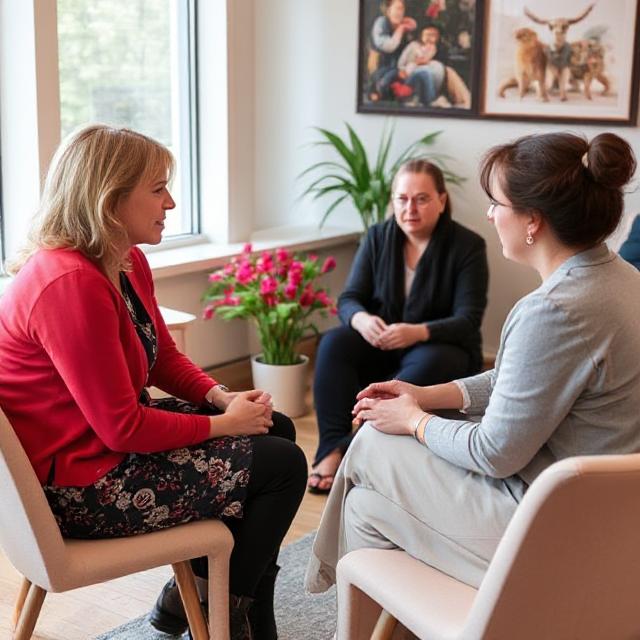
Community mediation is a voluntary process where trained, neutral mediators help people in conflict communicate more effectively, identify their needs and interests, and work together to find solutions. Unlike court proceedings, mediation focuses on dialogue, cooperation, and long-term relationship repair.
Mediation sessions are confidential, non-judgmental, and accessible—often free or low-cost. Most importantly, they put decision-making power in the hands of the people directly involved, rather than a third party like a judge.
Why It Works
- Accessible & Inclusive: Mediation can involve anyone—neighbours, landlords and tenants, family members, or community groups. There are no legal prerequisites.
- Empowers Individuals: Participants speak for themselves and shape the outcomes.
- Preserves Relationships: Unlike adversarial systems, mediation is focused on rebuilding trust and communication.
- Culturally Sensitive: Mediators are trained to work within diverse communities, respecting different perspectives and traditions.
- Saves Time & Money: It reduces the burden on courts and helps avoid prolonged legal disputes.
Common Issues Addressed
- Neighbourhood disputes (e.g., noise, fences, parking)
- Landlord-tenant conflicts
- Housemate disagreements
- Family and intergenerational issues
- Disputes within faith groups, schools, or nonprofit organisations
Real-World Impact.
Consider a scenario where two neighbours are feuding over a shared driveway. Tensions have risen over the years, with angry confrontations and complaints to the local council. Through community mediation, they come together in a neutral space, each share their perspective, and with the help of mediators, they develop a practical agreement and begin rebuilding trust.
This isn’t just about resolving one issue—it’s about restoring a sense of community.
How to Get Involved
If you’re facing a conflict or want to contribute to healthier communities, here’s how you can get started:
- Use local services: Many towns and cities have free or nonprofit mediation centres.
- Become a mediator: Training programs are widely available for those who want to volunteer or pursue mediation as a career.
- Promote dialogue: Advocate for mediation in schools, workplaces, and community organizations.
Final Thoughts Community mediation is more than just a method for resolving conflict—it’s a philosophy that values empathy, collaboration, and respect. In a world often divided by differences, mediation helps us find common ground. By investing in a peaceful resolution, we build stronger, more connected communities where everyone has a voice