

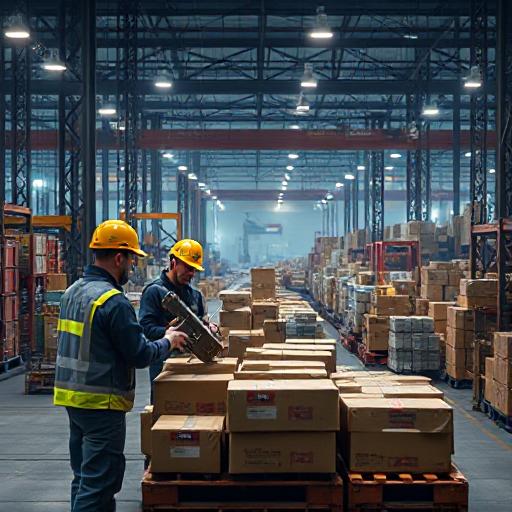
n today’s global and fast-paced markets, procurement teams face a web of challenges: price volatility, supplier risk, contract ambiguities, delayed deliveries, and quality disputes. Traditional dispute resolution methods—litigation and even some forms of arbitration—can be costly, slow, and damage supplier relationships. Mediation offers a practical alternative that aligns commercial realities with stable, long-term supply chains. Here’s how mediation can transform procurement, deliver savings, and create resilience across the supply chain.
What mediation is and why it matters for procurement
- What it is: Mediation is a voluntary, structured process where a neutral third party helps the buyer and supplier negotiate a mutually acceptable agreement. It focuses on interests, not blame, and aims for a practical settlement that preserves business relationships.
- Why it matters for procurement: Many procurement disputes arise from misaligned expectations, ambiguous contract terms, or unforeseen market shifts. Mediation addresses these issues quickly, confidentially, and with a focus on moving operations forward rather than escalating conflict.
Key SEO keywords: mediation, dispute resolution, procurement, supplier, contract management, commercial disputes, ADR (alternative dispute resolution), cross-border mediation, negotiation, supply chain stability.
How mediation can solve common procurement issues
- Ambiguity in contracts and specifications
- Problem: Vague terms lead to disputes over scope, performance standards, and acceptance criteria.
- Mediation solution: A mediator helps clarify language, align performance metrics, and agree on a practical interpretation framework. The result is a refined contract amendment or a side letter that reduces future disputes.
- Benefit: Faster resolution, fewer litigation costs, and clearer expectations for both sides.
- Price fluctuation and cost disputes
- Problem: Tied to volatile commodity markets, exchange rate changes, or unclear cost-pass-through formulas.
- Mediation solution: Parties share underlying cost drivers in a structured session, explore alternative pricing models (e.g., index-based, capped increases, or tiered discounts), and create a transparent cost-oversight mechanism.
- Benefit: Cost stability, more predictable budgeting, and preserved supplier partnerships.
- Delivery delays and performance failures
- Problem: On-time delivery gaps, quality issues, or acceptance testing disagreements.
- Mediation solution: Develop an actionable remediation plan with concrete milestones, performance-improvement timelines, and accountability. Often, the agreement includes interim remedies (e.g., expedited shipping, quality controls) to keep production lines running.
- Benefit: Minimized production downtime, improved supplier reliability, and better-capacity planning.
- Contract termination and renegotiation
- Problem: Terminating or renegotiating a contract during market stress can be contentious and disrupt supply.
- Mediation solution: A mediator facilitates a win-win renegotiation, preserving value for both sides and identifying exit strategies or alternative sourcing while maintaining ongoing supply.
- Benefit: Continuity of supply, reduced legal exposure, and a cooperative path to a new commercial arrangement.
- Cross-border and regulatory challenges
- Problem: Jurisdictional differences, trade compliance, and sanctions-related risk.
- Mediation solution: Cross-border mediators with ADR experience help navigate regulatory requirements, align international terms, and craft enforceable agreements suitable for multiple jurisdictions.
- Benefit: Compliance, smoother international sourcing, and faster dispute resolution across borders.
How mediation creates stability in the supply chain
- Faster resolutions mean less downtime: Mediation can resolve disputes in weeks rather than months or years, keeping production lines and logistics uninterrupted.
- Preserves relationships and trust: A collaborative negotiation preserves business relationships, enabling more flexible problem-solving in the future.
- Increases visibility and governance: Mediation often leads to upgraded contract management practices, clearer KPIs, and formal escalation paths.
- Reduces total cost of conflict: Lower legal fees, reduced risk of damages, and minimized reputational impact.
Practical steps to implement mediation in procurement
- Build a mediation-friendly contract framework
- Include a mandatory but voluntary mediation clause for disputes arising from procurement and contract management.
- Define scope, timing, and selection criteria for mediators (ideally with ADR experience in your industry).
- Establish a clear mechanism for cost-sharing and confidentiality.
- Train procurement and legal teams
- Train staff on negotiation techniques, interest-based bargaining, and how to prepare for mediation sessions.
- Create a playbook with common dispute scenarios and mediation-ready alternatives.
- Choose the right mediator and process
- For commercial disputes in procurement, select mediators with sector expertise (manufacturing, logistics, or specific commodities).
- Decide on a mediator-led joint session versus caucused sessions, depending on the dynamics and risk tolerance.
- Integrate mediation into contract management and supplier relationships
- Use mediation outcomes to update supplier scorecards, contract terms, and performance dashboards.
- Create lessons learned repositories to prevent repeat disputes and improve sourcing strategies.
- Leverage technology to streamline ADR
- Use secure, cloud-based platforms for document exchange, calendar coordination, and virtual mediation sessions.
- Maintain an auditable trail of communications and decisions to support enforceability and compliance.
Enforcing mediation outcomes and sealing stability
- Enforceability: Mediation outcomes are typically non-binding unless a settlement agreement is signed. Ensure that the agreement is formalized with a contract amendment or a standalone settlement contract to be enforceable in the chosen jurisdiction.
- Post-mediation governance: Tie the settlement to updated SLAs, revised KPIs, and a clear dispute escalation path to prevent relapse.
- Continuous improvement: Regularly review mediation outcomes to identify recurring issues in procurement contracts and adjust standard terms accordingly.
Real-world examples (hypothetical)
- A global electronics supplier faced recurring delays from a single assembly partner. Mediation established a shared corrective action plan with milestone-based delivery guarantees, a price-neutral adjustment to handle component shortages, and a dedicated joint risk committee that met quarterly. Result: Delivery performance improved by 30% within six months and cost overruns decreased.
- A food-and-beverage manufacturer struggled with quality complaints from multiple distributors. Through mediation, the parties agreed on enhanced quality control labs, standardized sampling procedures, and a mutual obligation to maintain critical stock levels, stabilizing the supply chain during seasonal peaks.
Measuring success
- Time to resolution: Track days from dispute filing to settlement.
- Cost savings: Compare legal fees, penalties, and lost revenue avoided versus traditional dispute resolution.
- Supply chain impact: Monitor lead times, defect rates, and supplier performance improvements after mediation.
- Relationship metrics: Assess ongoing collaboration and willingness to renegotiate in good faith.
Final thoughts
Mediation is not a substitute for robust procurement strategies, but it is a powerful tool to resolve conflicts quickly while preserving value, trust, and continuity in your supply chain. By embracing mediation as a core component of dispute resolution, organizations can reduce procurement risk, achieve cost predictability, and build a resilient commercial ecosystem capable of weathering market turbulence.