
In today’s educational environment, fostering a safe and respectful atmosphere is essential for student well-being and academic success. One effective way to achieve this is through peer-to-peer mediation, a form of alternative dispute resolution (ADR) that empowers students and young people to resolve conflicts peacefully. This approach is increasingly popular in primary schools, secondary schools, and universities across Wales, helping to prevent violence and promote positive relationships among the next generation.
What is Peer-to-Peer Mediation?
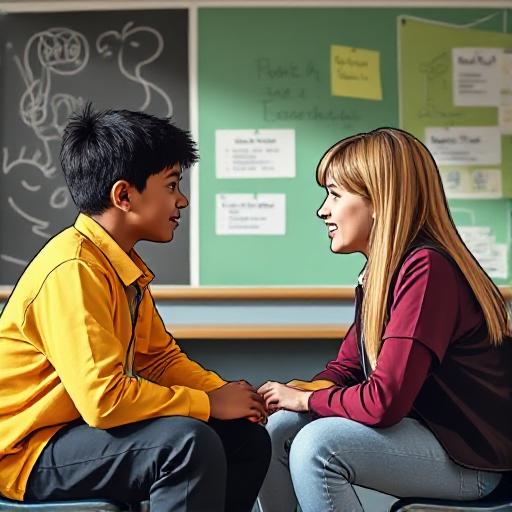
Peer mediation involves trained students or peers acting as neutral mediators to help their classmates or fellow students resolve disagreements. Unlike traditional disciplinary measures, peer mediation encourages open communication, understanding, and cooperation, making it a valuable tool for conflict resolution in schools and higher education.
Why is Peer Mediation Important in Welsh Schools and Universities?
- Promotes Alternative Dispute Resolution (ADR): Peer mediation offers a constructive alternative to punitive measures, reducing the likelihood of conflicts escalating into violence or bullying.
- Prevents School Violence and Bullying: By teaching students how to handle disagreements peacefully, peer mediation helps create a safer school environment.
- Builds Conflict Resolution Skills: Students learn valuable life skills such as active listening, empathy, negotiation, and problem-solving.
- Reduces Stress and Anxiety: Resolving conflicts amicably can decrease tension among students, leading to a more positive school climate.
- Empowers Young People: Peer mediation encourages student leadership and responsibility, fostering a sense of community and mutual respect.
Benefits of Peer-to-Peer Mediation in Welsh Education Settings
1. Enhances School Safety and Wellbeing
Implementing peer mediation programs in Welsh primary and secondary schools helps prevent bullying and violence, creating a nurturing environment where students feel safe and supported.
2. Supports Conflict Resolution and Emotional Intelligence
By participating in mediation, students develop emotional intelligence and conflict management skills that benefit their personal development and future relationships.
3. Reduces the Need for Disciplinary Action
Peer mediation can resolve issues before they escalate, reducing the need for suspensions or exclusions and promoting restorative practices.
4. Prepares Students for the Future
Introducing young people to alternative dispute resolution prepares them for adult life, where conflict management and negotiation are essential skills.
5. Promotes a Culture of Respect and Inclusion
Mediation fosters understanding and respect among diverse student populations, supporting inclusive education in Welsh schools and universities.
Implementing Peer Mediation in Welsh Schools and Universities
To successfully introduce peer mediation programs, schools and universities should:
- Provide comprehensive training for student mediators.
- Integrate mediation into the school or university’s broader conflict resolution policies.
- Involve staff, teachers, and student leaders to support the program.
- Promote awareness about the benefits of alternative dispute resolution and violence prevention.
Conclusion
Peer-to-peer mediation is a powerful tool for conflict resolution in Welsh primary schools, secondary schools, and universities. By fostering alternative dispute resolution (ADR) skills among students, schools can help prevent violence, reduce bullying, and build a more respectful and inclusive community. Investing in peer mediation not only benefits individual students but also contributes to a safer, more harmonious educational environment—preparing the next generation to handle conflicts peacefully and responsibly.
If you’re interested in implementing peer mediation programs or learning more about conflict resolution in schools and universities in Wales, consider reaching out to us and we will make contact with local education authorities or mediation organisations dedicated to youth conflict management.