

ay, Newport mediation brought together two sets of parties whose relationship had deteriorated to the point where conversations felt combative and misinterpretations ran wide. The scene was intimate, human, and revealing: a quiet room, neutral chairs, and a trained mediator guiding conversations that, in other circumstances, might have spiraled into defensiveness or public airing of grievances. What unfolded there underscored a timeless truth in conflict resolution—face-to-face mediation often offers a level of context, empathy, and practical problem-solving that screens, chats, and social media posts simply cannot match.
What brought us to the table
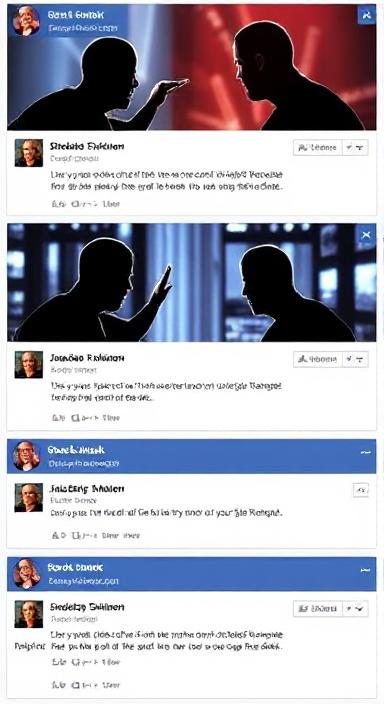
The issues presented spanned both everyday frictions and more complex relational dynamics. There were arguments about how to care for a beloved dog, a source of joy as well as strain when routines clashed with differing expectations. Family dynamics were at play too: seemingly small actions and longstanding patterns had created collateral tension among relatives who share a household or family responsibilities. In addition, there were accusations about the misuse of wi‑fi, a reminder that even seemingly mundane issues can become symbols of deeper mistrust. Facebook messages and online miscommunications also loomed large, illustrating how digital threads can distort tone, intent, and context when conversations are not face-to-face.
The power of context in real time
One of the most striking outcomes of this mediation was the way participants could recapture context in real time. In written messages, tone is inferred, priorities can be misread, and subtle cues—humor, frustration, care—often get lost. In the mediation room, these cues surfaced openly, gently, and safely. A calm observer’s presence allowed for quick adjustments: a pause to reflect, a clarifying question, or a reformulation of a concern in terms the other party could hear.
Consider the dog-related disagreement. In many households, pet decisions are intertwined with routines, space, and emotional attachments. What began as a dispute over walking times or feeding schedules revealed deeper themes—whose household boundaries matter most, how each person experiences responsibility, and how shared spaces are navigated. By focusing the dialogue in person, the mediator helped the parties add necessary context that had not translated well through text: the dog’s wellbeing, the daily rhythms of family members, and the desire to maintain a peaceful home environment for all involved.
Similarly, family issues often carry echoes of past experiences, unspoken expectations, and roles that have shifted over time. When conversations occur online, these layers can become tangled in a thread of accusations or defensive replies. Face-to-face mediation created a space where those layers could be acknowledged directly, with an opportunity to validate feelings while moving toward practical solutions.
Addressing miscommunications and social media dynamics
Misunderstandings over Facebook messages were a notable theme. Digital communications can be swift and fragmented; sarcasm or urgency can be misread. In the mediation room, the participants could see the human behind the texts. A simple misinterpretation about a “reply all”, a late-night message, or an implied tone could be unpacked in minutes with clarifications that would have taken days online. The mediator’s presence ensured that participants did not retreat into defensiveness but instead could ask for and receive immediate clarifications.
This is not to demonize social media or digital communication, but to acknowledge its limits in conflict resolution. When matters escalate, the nuance of voice, facial expression, and body language can either escalate tension or foster connection. In this case, the opportunity to address concerns face-to-face allowed the parties to reframe issues, separate the signal from the noise, and rebuild a pathway toward mutual understanding.
A constructive resolution emerges
By the end of the session, all misunderstandings had been clarified. A tangible act of goodwill marked the shift: one party offered to give the other a lift, a gesture that symbolized restored trust and a willingness to support each other in small, practical ways. This act may seem modest, but in mediation, such steps are often the glue that holds a broader agreement together. They demonstrate commitment to the relationship and a shared responsibility to practice better communication going forward.
Key takeaways from the Newport mediation
Face-to-face fosters richer context: In-person dialogue allows participants to convey and interpret emotions, intentions, and subtleties that are easily lost in text-based exchanges.
Clarification happens in real time: Misunderstandings can be identified and corrected immediately, reducing the risk of escalation and rekindling old grievances.
Relationships can be repaired incrementally: Small gestures of goodwill, like a ride to a meeting or helping with a routine task, can symbolize and actualize a renewed commitment to cooperation.
Mediation creates a safe space: A neutral facilitator helps manage dynamics, ensuring each party is heard and respected, which increases the likelihood of durable agreements.
Digital threads vs. direct conversation: While online messaging has its place, it should not be the sole channel for resolving substantive disputes, especially where relationships matter.
What this means for future mediation practice
The Newport mediation session reinforces why face-to-face mediation remains a central tool for resolving conflicts in personal and family contexts. It demonstrates that:
When relationships are strained, a structured, in-person conversation can de-escalate tension more effectively than asynchronous communication.
Mediation should be designed to capture and translate the emotional and relational context behind the issues, not merely the surface disagreements.
Parties benefit from witnessing each other’s responses in real time, which helps rebuild trust and fosters accountability for corrective actions.
If you’re navigating a similar mix of everyday concerns and deeper relational tensions, consider the value of arranging a focused, facilitated face-to-face conversation. A skilled mediator can help you surface the underlying needs, align expectations, and identify practical steps that honor everyone involved.
Final reflection
Conflict is an inevitable part of human relationships, but the way we address it determines the direction of our outcomes. The power of face-to-face mediation lies not in eliminating emotion or disagreement, but in transforming how we engage with one another—honoring context, clarifying intent, and choosing collaboration over confrontation. The Newport session was a timely reminder that when we come together in person, we open the door to empathy, understanding, and actionable solutions that can restore harmony and pave the way for healthier, more sustainable relationships.