

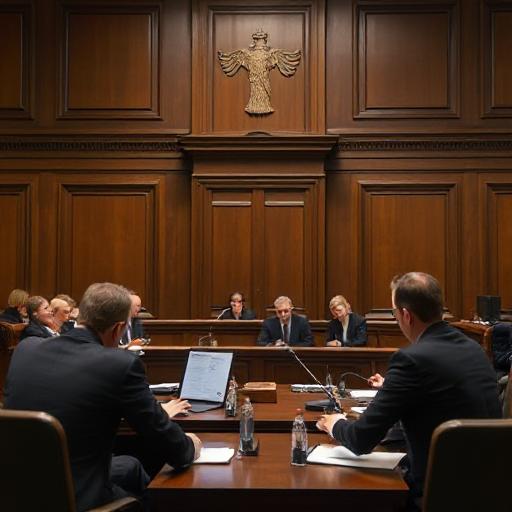
Why Mediation is Essential in the Workplace Before Employment Tribunals
In today’s fast-paced work environment, workplace disputes are a common occurrence. When disagreements between employees and employers aren’t resolved informally, they can escalate and end up in employment tribunals. However, recent data from gov.uk highlights a concerning rise in tribunal cases and caseloads, emphasising the importance of mediation as a proactive solution to workplace conflicts.
Recent figures from His Majesty’s Courts & Tribunals Service (HMCTS) reveal a significant increase in tribunal cases:
- In 2024/25, employment tribunal receipts increased by 23%, while disposals only rose by 6%. This imbalance means more cases are entering the system than being resolved, leading to a 32% increase in open caseloads (gov.uk, 2025).
- Multiple employment tribunal claims saw a 23% rise in receipts but a 49% fall in disposals, resulting in an 9% increase in open cases.
- Overall, the open caseload for employment tribunals increased by 32% over the past year, putting additional pressure on the justice system.
These trends highlight a growing backlog of unresolved workplace disputes, which can cause delays, increased costs, and strained relationships.
The Importance of Mediation in the Workplace
Mediation offers an effective, efficient alternative to resolving disputes before they reach the tribunal stage. It involves a neutral third party facilitating a conversation between the conflicting parties to reach a mutually acceptable agreement. Here’s why mediation is vital in managing workplace conflicts:
- Reduces Tribunal Caseloads and Delays: Early resolution through mediation can prevent disputes from escalating to costly and lengthy tribunal proceedings.
- Speeds Up Dispute Resolution: Mediation sessions can be scheduled within weeks, compared to months or years in tribunal processes.
- Cost-Effective Solution: It significantly reduces legal and administrative costs for both employers and employees.
- Preserves Working Relationships: Unlike adversarial tribunal hearings, mediation encourages open dialogue, helping maintain professional relationships.
- Empowers Employees and Employers: Active participation in mediation fosters a sense of fairness and satisfaction with the outcome.
Why Now Is the Time to Prioritise Mediation
With tribunal claims increasing—such as the 23% rise in employment tribunal receipts in 2024/25—it’s clear that relying solely on tribunals isn’t sustainable. Incorporating mediation as a standard step in dispute resolution or managing conflict can help:
- Lower the number of cases reaching tribunals
- Reduce delays and backlogs
- Create a healthier, more collaborative workplace culture
Conclusion
The latest gov.uk data underscores the urgent need for effective dispute resolution methods in the workplace. Mediation stands out as a practical, fair, and efficient way to address conflicts early—saving time, reducing costs, and fostering positive working relationships. Employers and employees should consider making mediation a first step in resolving workplace disputes, helping to create a more harmonious and productive environment.
If you’re interested in learning more about how workplace mediation can benefit your organisation, contact us today. Together, we can create a workplace culture founded on understanding, collaboration, and respect.